
How Alcohol Impacts Anxiety (And Why Sobriety Helps)
For years I thought alcohol helped my anxiety.
Rough day.
Tight chest.
Head racing.
I’d have a drink and feel that little drop.
Shoulders loosen.
Thoughts slow down.
The knot in my stomach ease a bit.
So my brain learnt a simple rule.
Feel anxious → have a drink → feel “better”.
It took me a long time to realise what was really happening.
Alcohol wasn’t solving my anxiety.
It was renting me short-term calm and charging me double the next day.
If you’ve ever had that horrible “hangxiety” after a night out, you’ll know what I mean.
Let’s break it down in simple terms.
The first few drinks: why it seems to help
When you drink, your brain gets that warm, fuzzy feeling because alcohol is pressing on your nervous system like a brake.
It slows things down.
You feel looser.
Less shy.
Less on edge.
If you’re naturally anxious, that first bit can feel like magic.
“I feel normal.
I can talk.
I’m not stuck in my head.”
So your brain takes notes.
“Alcohol = safety.
Alcohol = relief.”
The problem is, that’s only half the story.
Because your body doesn’t just sit back and let alcohol slow everything down.
It pushes back.
What your brain does after the buzz
Your body’s job is to keep you balanced.
So when alcohol comes in and presses the brakes, your brain quietly pushes the accelerator to compensate.
You don’t notice that bit when you’re drinking.
You just feel relaxed.
But when the alcohol wears off, that extra “accelerator” is still on.
That’s when the anxiety hits.
Heart racing.
Sweaty hands.
Jumpy thoughts.
Random doom for no reason.
You wake up and it feels like someone’s turned the volume up in your head.
You think, “What’s wrong with me?”
Half the time, it’s not some deep mental problem.
It’s your system reacting to being yanked up and down by alcohol.
The more often you do it, the more your brain gets used to that pattern.
Calm → drink → fake calm → rebound anxiety.
That’s hangxiety in plain English.
Sleep: why you wake up tired and wired
Alcohol messes with your sleep more than most people realise.
You might fall asleep faster after a drink.
Or just crash.
But the quality of that sleep is rubbish.
Alcohol stops you getting proper deep sleep.
It messes with dream sleep too.
So you might be in bed for 8 hours and still wake up feeling like you’ve been hit by a bus.
And when you’re tired, your anxiety goes up.
You’re more jumpy.
More emotional.
More sensitive to stress.
So now you’ve got a double hit.
Your brain chemistry is out of whack from the alcohol wearing off.
Your sleep is trash.
Of course your anxiety is bad the next day.
Your system is doing its best with the state you’ve put it in.
The “what did I say?” spiral
There’s another side to this that no one talks about in science charts.
Shame.
If you’re a problem drinker, you’ll know this feeling.
Waking up after a big night.
Reaching for your phone.
Checking messages with your stomach in your throat.
“What did I say?
Who did I text?
Did I upset anyone?
Did I spend too much?”
Sometimes there’s nothing there.
Sometimes there is.
Either way, the panic is real.
You replay conversations you half-remember.
You fill in gaps with the worst possible stories.
You’re not just dealing with chemical anxiety.
You’re dealing with emotional anxiety.
Guilt.
Embarrassment.
Fear of what you can’t remember.
That mix is brutal.
You tell yourself, “I’m just an anxious person.”
But look at the pattern honestly and you’ll see a lot of it is linked to one thing.
Alcohol.
How sobriety changed my anxiety
Sobriety didn’t turn me into the calmest man alive.
I still get stressed.
I still overthink.
But the baseline is different.
I’m not starting most mornings at 3 out of 10, trying to fight my way back to normal.
I wake up clearer.
More rested.
Less shaky inside.
Here’s what actually changed when I took alcohol off the table.
1. My mornings stopped being a war zone
No more waking up with a racing heart and a dry mouth, trying to stitch together the night before.
Instead of panic, I had space.
I could get up, move, think, plan.
I wasn’t wasting the first half of the day just trying to feel human again.
That alone calmed my anxiety down.
2. My sleep slowly became real sleep
It didn’t happen overnight.
The first week or two were up and down.
But after that, my sleep started to feel deeper.
I was actually resting.
Not just passing out.
Better sleep = calmer nervous system.
That’s not a motivational quote.
That’s just biology.
3. I stopped creating fresh problems every weekend
This is huge.
Anxiety isn’t just random.
A lot of it comes from chaos you’ve created and now have to deal with.
When I stopped drinking, I stopped:
Sending stupid messages.
Losing money when I’d been drinking and gambling.
Arguing in ways I barely remembered.
Less mess created = less mess to clean up in my head.
My anxiety didn’t vanish.
But it stopped having new fuel every Sunday.
Why anxiety can actually spike when you first get sober
This bit is important.
When people stop drinking, sometimes their anxiety gets worse before it gets better.
They think that means sobriety “doesn’t work” for them.
In reality, here’s what’s going on.
You’ve spent years using alcohol to mute certain feelings.
Stress.
Loneliness.
Shame.
Anger.
When you take the drink away, those feelings don’t disappear.
They come up.
That can be intense.
You suddenly feel:
More aware of your thoughts.
More aware of your body.
More aware of all the stuff you were avoiding.
The trick is to see this as part of the process, not proof you should go back.
If your anxiety feels heavy when you first quit, it doesn’t mean alcohol was good for you.
It means you’ve just taken the plaster off and now you’re looking at the wound.
Hard.
But honest.
Give it time.
Give your body some decent sleep, food, movement, and a chance to settle.
Most people find that a few weeks or months down the line, their anxiety is lower overall than it ever was when they were drinking “to cope”.
Building real tools instead of liquid ones
Alcohol is a fast, blunt tool.
You feel bad.
You pour it on.
Job done… for an hour or two.
Sobriety forces you to build actual coping tools.
Not glamorous.
But they work.
Here are a few that have helped me with anxiety:
-
Walking when my head is loud.
Simple.
Trainers on.
Out the door.
Ten to twenty minutes.
No “step goal”.
Just move and breathe. -
Saying it out loud.
Instead of letting thoughts spin in my skull, I say,
“My chest is tight.
My head’s racing.
I feel anxious.”
To myself.
To my partner.
To a mate.
It takes the edge off. -
Using the “15 minute rule”.
When the urge to drink hits,
“I’m not deciding in this state.
I’m going to do something else for 15 minutes first.
Then I’ll check in again.”
Most of the time, the craving and the anxiety both drop a few notches. -
Doing one small useful thing.
Tidy a drawer.
Reply to one message.
Do the washing up.
Anxiety loves you sitting still doing nothing.
A small win can shift your state more than you think.
These aren’t as dramatic as a bottle.
But tomorrow-you will thank you instead of cursing you.
When to get proper help
I’m not a doctor.
And neither is any bloke on the internet telling you to “just chill out”.
There are times when anxiety is more than lifestyle.
If you’re getting:
Panic attacks out of nowhere.
Feeling like you can’t breathe.
Thoughts about hurting yourself.
Or withdrawal symptoms if you don’t drink (shaking, sweating, feeling very unwell).
That’s not one you white-knuckle alone.
Speak to a GP.
Reach out to a proper support line.
Tell someone in your life what’s going on.
Sobriety helps a lot.
But sometimes you need proper medical or therapeutic support alongside it.
There’s no weakness in that.
The strength is in not pretending you’re fine when you’re not.
The bottom line
If you’re honest, you probably already know this.
Alcohol might give you an hour of fake calm.
But it’s trashing your:
Sleep.
Nervous system.
Mornings.
Money.
Self-respect.
And every time you wake up with that pounding heart and racing thoughts, it chips away at you.
Sobriety doesn’t remove all anxiety.
Life is still life.
But it does take away a huge chunk of the fuel.
It gives your body a chance to get steady.
It gives your mind a chance to build real coping skills.
It gives you fewer new things to feel ashamed or worried about.
For me, that trade is simple.
Short fake calm in a glass.
Or long-term, grounded calm built from actual choices.
If your anxiety is bad and you’re still drinking, you don’t have to guess if alcohol is part of the problem.
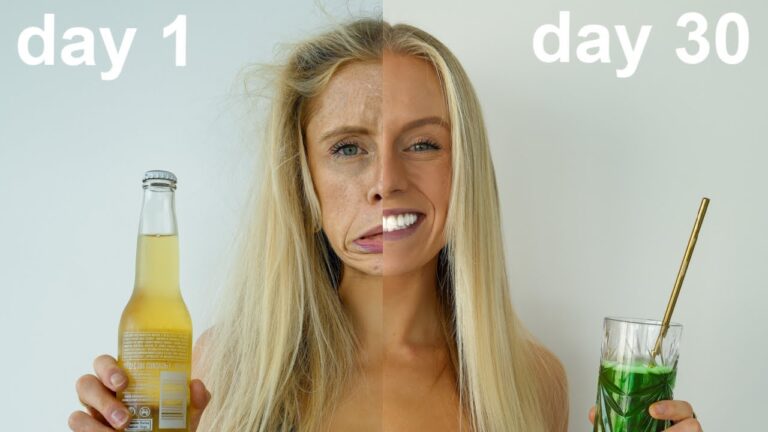
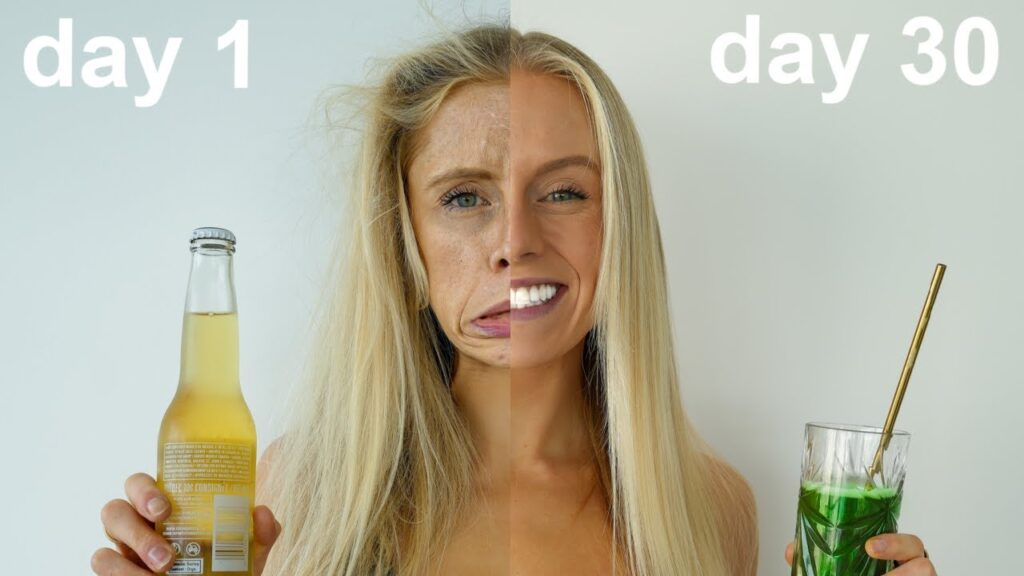
Give yourself 30, 60, 90 days without it and watch what happens.
Not to be perfect.
Just to see the truth.
Control the drink.
Calm the anxiety.
Give yourself a fair chance to actually feel okay in your own head.