
The First 30 Days Without Alcohol: What To Expect
The first 30 days without alcohol are not about being perfect.
They’re about seeing the truth.
What booze has been doing to your sleep.
Your mood.
Your patience.
Your bank balance.
Most people never find out.
They talk about “cutting down” for years.
They half-try a dry month.
They cave on day 10 and tell themselves, “Ah well, I tried.”
When I did my first proper block without alcohol, I treated it like a test.
Not a life sentence.
Not a big dramatic statement.
Just this:
“For the next 30 days, alcohol is off the table.
I want to see who I am without it.”
Here’s what those first 30 days really feel like for a normal drinker.
The good.
The rough.
The bits no one tells you.
Before Day 1: the wobble
Most people think Day 1 starts when you wake up.
For me, it started the night before.
That little argument in my own head.
“I’m starting tomorrow.
So I might as well have a few tonight.”
If you’re anything like me, you’ll recognise that move.
Here’s my first bit of advice.
Don’t make Day 1 a moving target.
Pick a date.
Draw a line.
You don’t need a perfect reason.
You just need to stop pushing it back.
When I set my first proper start date, I felt scared and relieved at the same time.
Scared of life without my usual escape.
Relieved that I’d finally stopped pretending this was “fine”.
That mix is normal.
Days 1–3: your body is confused
You might expect to feel amazing straight away.
You probably won’t.
The first few days can be weird.
If you’ve been drinking most evenings or every weekend, your body is used to a certain pattern.
You sit down.
You pour a drink.
You get the hit.
Now the cue is still there.
The evening.
The sofa.
The quiet after work.
But the hit doesn’t come.
Your brain will complain.
You might feel:
Restless.
Irritable.
Tired but wired.
Hungrier than normal.
A bit flat.
Sleep can actually get worse at first.
People don’t expect that.
You’re used to passing out with alcohol in your system.
That’s not real rest.
But your body has got used to it.
Now, when you lie down sober, your brain goes, “What’s this?”
Stick with it.
The first few nights are often the hardest because you’re breaking the routine.
Not because you’re broken.
The first Friday: where the old you would usually show up
If you do a 30 day break, your first big test will probably be Friday.
You finish work.
Your brain goes into “weekend mode”.
The old script kicks in.
“We drink now.
This is what we do.”
You’ll feel that pull in your chest.
Maybe your mates message.
Maybe you walk past your usual shop.
This is where a lot of people talk themselves out of the whole thing.
“Is it really that deep?
I’ve had a hard week.
I’ll start again Monday.”
I’ve done that.
Many times.
The first Friday I stayed sober, I did something different.
I treated it like game day.
I knew it was coming.
I didn’t pretend it would be easy.
I went to the shop earlier and didn’t even go down the booze aisle.
I bought a decent dinner.
I grabbed some nice alcohol-free drinks.
It still felt strange.
I still had moments where I thought, “I could just say screw it.”
But when I made it to bed sober, there was this quiet pride.
Nothing loud.
Just a sense of, “Okay.
I actually did what I said I’d do.”
Expect that first Friday to feel uncomfortable.
That doesn’t mean you’re doing it wrong.
It means you’re changing something real.
Week 1: the “what am I supposed to do with myself?” stage
By the end of the first week, another feeling kicks in.
Boredom.
Even if you weren’t out getting wrecked every night, alcohol takes up a lot of space in your life.
Thinking about it.
Getting it.
Drinking it.
Recovering from it.
Now there’s a gap.
You get to 7pm and you’re done with work, done with jobs, and your hands don’t know what to do.
This is where most people panic.
“I can’t live like this.
I’m climbing the walls.”
Here’s the harsh truth.
For a while, evenings are going to feel a bit empty.
That’s not a sign you need alcohol.
It’s a sign you need something else in your life.
In my first 30 days, I kept it simple.
Walks.
Showers.
Simple meals.
Early nights.
Nothing heroic.
I wasn’t trying to become a fitness model in a week.
I was just proving to myself that I could live through my evenings without pouring something into every feeling.
Expect evenings to feel awkward.
Plan for that.
Don’t sit in the same spot staring at the same fridge, arguing with yourself.
Move.
Change rooms.
Get outside.
Week 2: your body starts to catch up
Around week 2, things usually shift a bit.
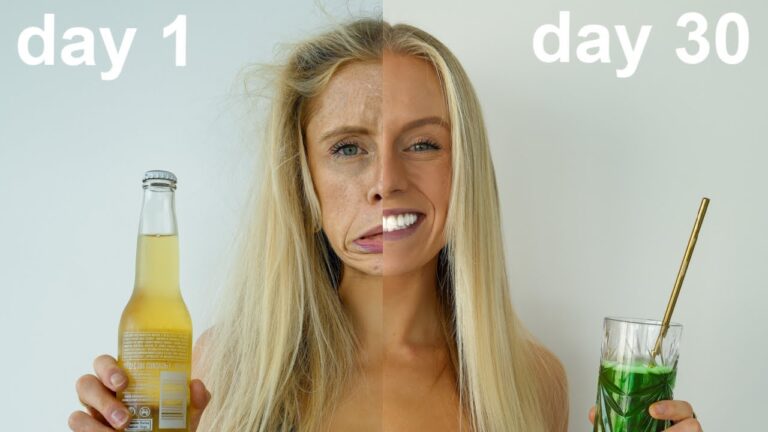
Your sleep starts to improve.
Not perfect.
But deeper.
You might notice you wake up a little earlier and don’t feel as wrecked.
Your head isn’t pounding.
Your mouth isn’t as dry.
You’ll still have cravings.
They might even surprise you.
A random Tuesday.
A smell.
A song.
A certain time on the clock.
Your brain is still throwing out old signals.
“Oi, this is when we drink.”
But something important has changed.
You now have evidence.
Two weeks of:
No hangovers.
Less shame.
Fewer stupid spends.
Small pockets of calm.
You’re not just going on hope anymore.
You’ve seen what even 14 days can do.
You’ll also probably notice your mood going up and down.
Some days you feel sharp.
Other days you feel low or angry.
That’s normal.
You took away your main way of numbing feelings.
Now your system is readjusting.
Don’t overthink every mood swing.
Just see it as part of the reset.
The social test: first event without a drink
Most people doing 30 days will hit at least one social thing in that window.
Birthday.
Meal out.
Football.
Work thing.
This is where the “I’ll just have one” voice appears.
“I’ve been so good.
It’s a special occasion.
I can just reset my 30 days after this.”
You can.
No one’s going to arrest you.
But be honest.
How many times have you used that logic before?
The first sober event I did, I felt like a fraud at first.
Everyone ordering pints.
Me asking for a lime and soda.
“There he is.
What you having?”
“I’m not drinking tonight.
I’m on a break.
I want to see how I feel after a month.”
Said it once.
Said it calm.
After a few jokes early on, everyone forgot.
They were too busy with their own night.
An hour or so in, I realised I was actually having the same conversations I would have had drunk.
Just clearer.
The wild moment was driving home.
No panic.
No drama.
Just me, music on, heading back clear.
Expect your first sober event to feel weird at the start.
Then watch how quickly it becomes normal.
Week 3: small benefits that hit harder than you expect
By week 3, the benefits start stacking up.
Not all at once.
Not in a Hollywood way.
Quietly.
You might notice:
-
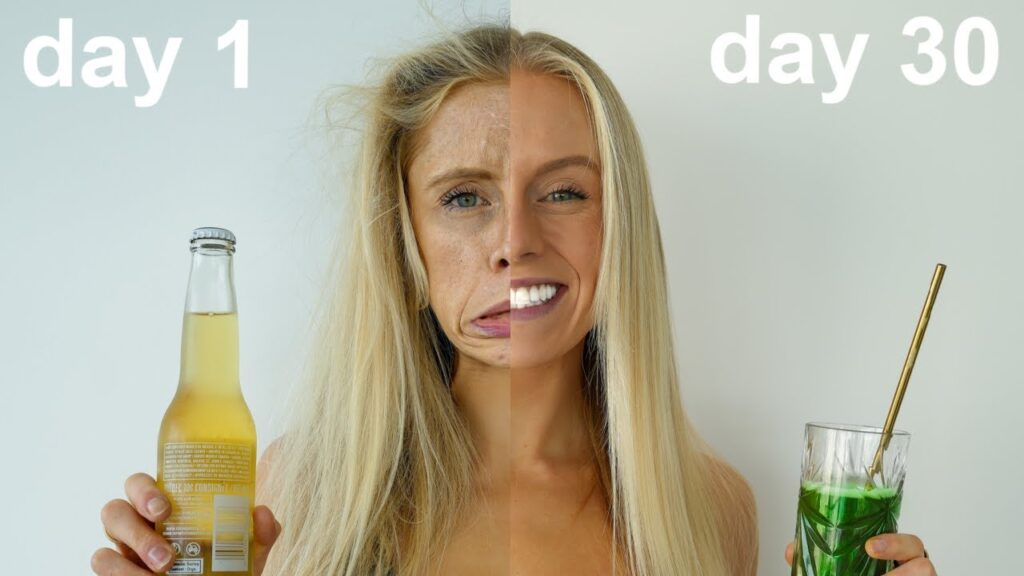
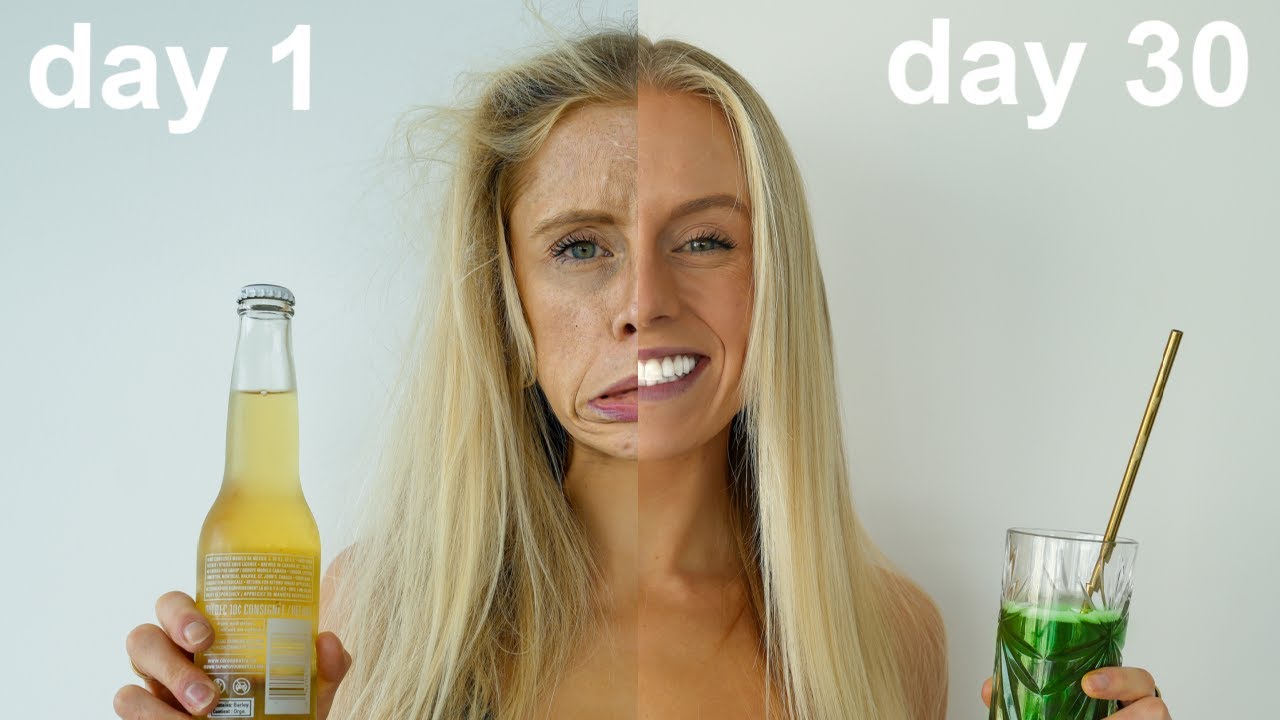
Your skin looks a bit better.
-
Your eyes are less bloodshot.
-
Your face is less puffy in the morning.
-
You’re not as snappy with people.
-
You’re remembering things easier.
-
You’re not spending £60–£100 every weekend on “nothing nights”.
These are easy to shrug off.
Don’t.
Write them down.
“I slept better last night.”
“My head didn’t feel as cooked at work.”
“I actually did what I said I would do on Saturday.”
This is your real motivation.
Not just “I shouldn’t drink”.
“I like myself better when I don’t.”
Week 4: your identity starts to shift
By the time you hit the last week, something deeper is happening.
You don’t just feel like “a drinker on a break”.
You start to feel like someone who can make a decision and stick to it.
That matters.
The old you might have been the person who never lasted more than a week.
The one who always caved on that one big night.
Now you’ve got nearly a month under your belt.
Stress has happened.
Boredom has happened.
Tired days have happened.
Social events have happened.
And you stayed sober through them.
That doesn’t just change your relationship with alcohol.
It changes how you see yourself.
If you can hold a line with drink, what else can you change?
Your training.
Your food.
Your money.
Your phone habits.
You start to see yourself as someone with standards.
Not someone who just “goes with it”.
What no one tells you about Day 30
People imagine Day 30 like some grand finish line.
You bounce out of bed.
You feel like a new man.
You never think about alcohol again.
Reality is quieter.
You get to Day 30 and you feel… normal.
Better than you did.
But still you.
And then a new question pops up.
“What now?”
Do you celebrate with a drink and pretend the last month didn’t teach you anything?
Do you set another 30 days?
Do you aim for 90?
Do you think about a year?
There isn’t one right answer.
But here’s what I’d say.
Don’t throw away your data.
Look back honestly.
-
How was your sleep?
-
How was your anxiety?
-
How often did you regret nights?
-
How much did you spend compared to a normal month?
-
How did your family or partner respond to you?
If your life was clearly better, be careful with the thought, “I’ll just go back to how it was, but this time I’ll control it.”
That’s how I stayed stuck for years.
The reason I ended up doing a full year sober is simple.
I liked who I was without alcohol more than who I was with it.
I didn’t know that on Day 1.
I found it out by living through the first 30.
Simple tools that make the 30 days easier
To sum it up, here are a few things that helped me and still help people I talk to:
-
Treat it like an experiment, not a punishment.
You’re not “missing out”.
You’re collecting proof. -
Plan for the obvious triggers.
First Friday.
First bad day at work.
First social event.
First lonely evening.
Make a plan for each before you get there. -
Have things ready for 6–9pm.
Walk.
Shower.
Food.
Gym.
Reading.
Anything but sitting in your usual drinking spot in silence. -
Tell one or two people you trust.
You don’t need a full announcement.
Just someone who knows you’re doing 30 days and why. -
Write a few lines every night.
How you slept.
How you felt.
Any wins.
Any struggles.
By Day 30, you’ll have your own answer to “Is this worth it?”
The first 30 days without alcohol won’t be perfect.
They’re not meant to be.
You’ll have cravings.
You’ll have mood swings.
You’ll have boring evenings where you question everything.
But you’ll also have:
Your first clear Monday in ages.
Your first sober night out.
Your first weekend where you remember all of it.
Your first month where you didn’t self-destruct and then pretend it was all just a laugh.
That’s what you can expect.
Not magic.
Just a month of you finally seeing what your life looks like without alcohol driving.
From there, you get to choose.
Not the habit.
You.